Early Years Literacy (Reading) Screeners: Identifying At-Risk Students
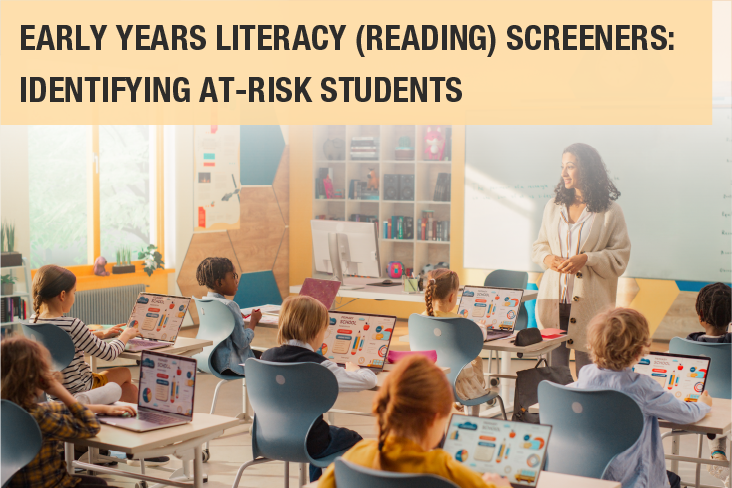
The use of screeners is not a new concept; they have been in use for many years in various disciplines, including education. Early years reading screeners are quick, informal, evidence-based tools that can provide information about possible student reading difficulties. Brief assessments (screeners) have been used to identify students who need extra support. Early childhood education (i.e., kindergarten to Grades 3 or 4) is an important period for children’s development of social, emotional and behavioural, as well as early academic skills. If a child displays deficits in particular skills, this may result in negative outcomes in their future lives; therefore, early identification is critically important in order to provide the child with appropriate support. “Assessing students in their early years provides essential information to teachers, schools, parents…about potential student learning issues and needs and ensures students at risk get the help they need early in their education.”[1] The approach to screening for reading skills varies by jurisdiction. This article is meant to provide a high-level understanding of screening practices for literacy (reading) in Canada and selected other jurisdictions.
To learn more about how other provinces and countries approach early reading assessments, including their policies and practices for literacy screening, read the full article by Vretta here.