
Privacy concerns with online proctoring and how to address them
PSI
On December 4th, 2024, the TIMSS 2023 International Report and Results was released, offering an overview of global educational achievement trends. During the event, Dr. Matthias von Davier, Executive Director at the TIMSS and PIRLS International Study Center, spoke of the importance of shifting focus from the fluctuations in average achievement levels to understanding what students can do, as captured by international benchmark scales. This broader perspective encourages looking beyond surface-level changes to gain deeper insights into the contexts and patterns underlying different levels of achievement.
In line with the earlier discussion in Beyond Benchmarks: The Real Impact of Global Assessment Initiatives, this policy-level recommendation to promote a more holistic understanding of students, rather than prioritizing scores, could apply to broader national test-based accountability practices, particularly in addressing the shift from holistic learning to expectation-based teaching. So, educators often criticize this test-focused approach, as it tends to concentrate narrowly on specific knowledge and skills needed for test success, neglecting a broader and deeper understanding of the subject.
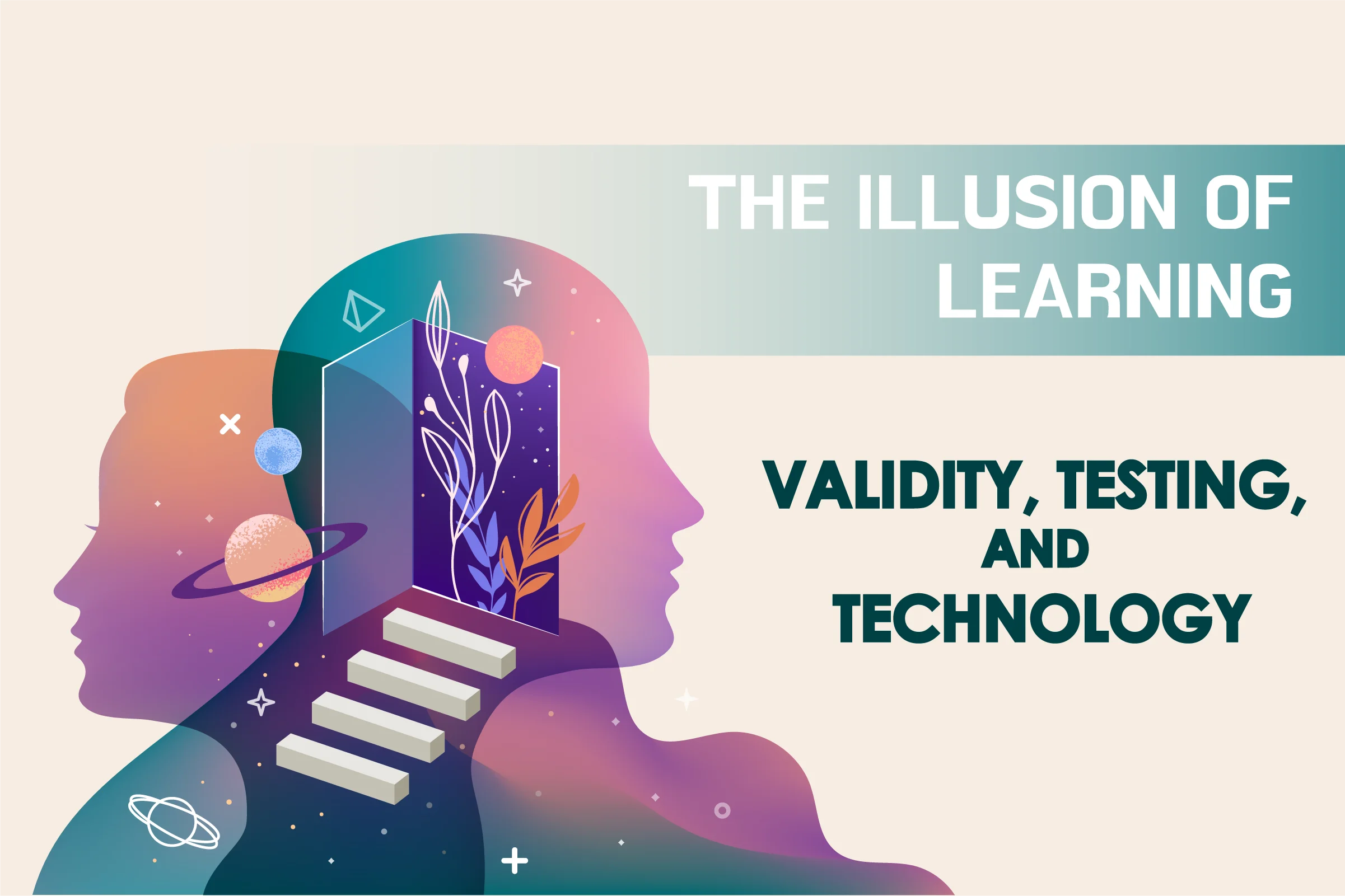
Additionally, high test scores that reward narrow teaching and studying behaviors may create the illusion of learning or achievement, reflecting the psychological principle of positive reinforcement. In such a scenario, educators, pressured to meet accountability metrics, and learners, driven by the pursuit of measurable achievements, become trapped in this feedback loop. But at what cost? Are we unintentionally validating a system that rewards superficial performance while neglecting meaningful learning? In doing so, we risk normalizing a culture where snapshots of understanding are mistaken for comprehensive knowledge.
At the same time, standardized testing plays an important role in objectively measuring specific aspects of learning, while formative testing can identify learning gaps, provided both are used for their intended purposes and align with the validity argument of the test. However, problems arise when testing is extended beyond its intended scope to address broader assessment needs by the frequent use of test-specific classwork in formative assessment to boost test performance, neglecting gaps that require alternative types of assessment. In this context, wisely applied technology can guide learning toward deeper understanding and critical thinking, promoting measurement avenues as a means to support holistic student learning.
This article examines the deeper effects of “teaching to the test” within education and society and highlights how technology and best practices can help address these challenges. To learn more about these insights and potential solutions, read the full article here.
Join the global community advancing e-assessment through innovation, research, and collaboration.


Keep informed
This site uses cookies to monitor site performance and provide a mode responsive and personalised experience. You must agree to our use of certain cookies. For more information on how we use and manage cookies, please read our Privacy Policy.